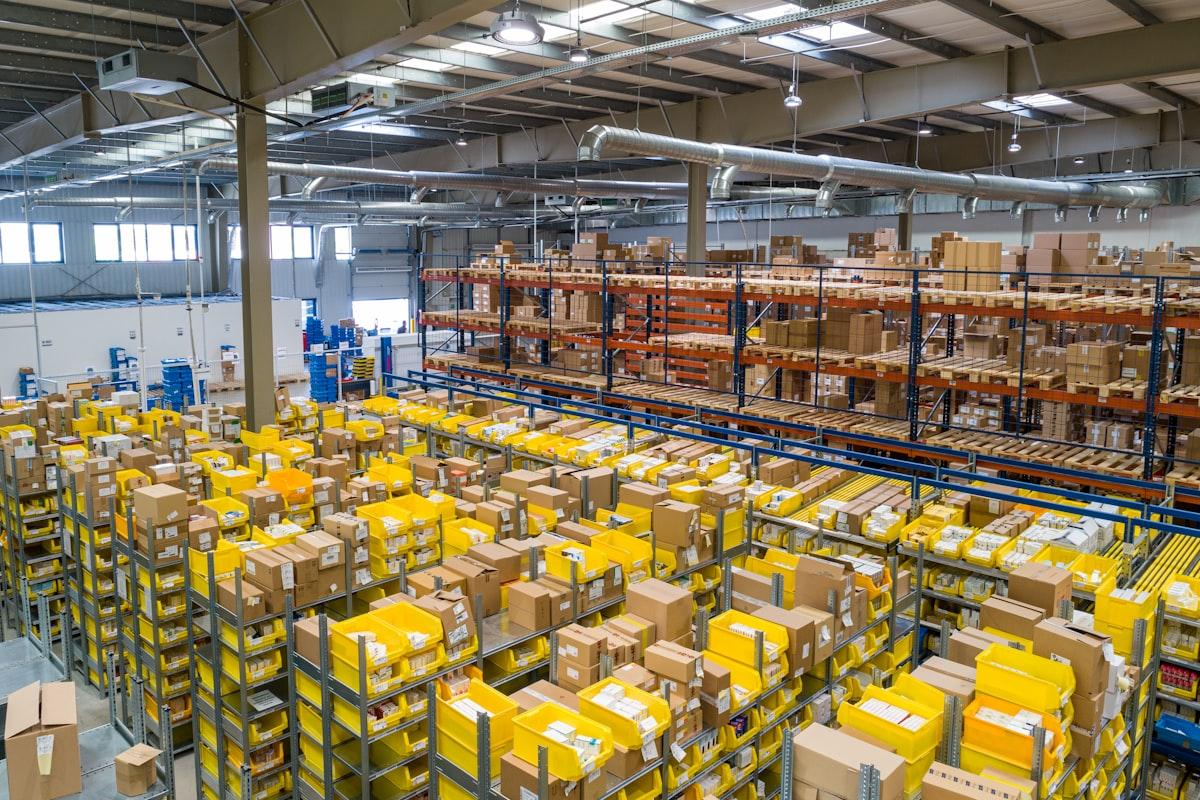
The Supply Chain Automation imperative
Supply chains have never faced greater challenges—global disruption, rising customer expectations, cost pressures, and sustainability requirements. Workflow automation provides the agility, visibility, and efficiency that modern supply chains require to respond and compete.
Current State of Supply Chain Automation
Many organizations have automated basic supply chain functions—warehouse management, transportation management, order processing. The frontier extends to end-to-end orchestration, predictive capabilities, and autonomous operations that minimize human intervention.
Supply chain leaders report 30% reduction in inventory costs and 50% improvement in on-time delivery after implementing comprehensive automation.
Order-to-Cash Automation
Order capture workflows automate order entry from various sources—e-commerce, EDI, sales reps, customer portals. Order validation ensures completeness and feasibility. Pricing and discount rules apply automatically. Orders flow to fulfillment systems without manual intervention.
Exception handling identifies problematic orders—credit issues, inventory shortages, shipping constraints—and routes them for resolution. Customers receive proactive notification of issues rather than discovering problems later.
Procurement and Supply Automation
Demand-driven procurement triggers purchases based on actual consumption or predicted needs. Supplier collaboration platforms automate communication, purchase orders, and advance shipping notifications. Inventory levels maintain optimal balances through automated replenishment.
Supplier performance tracking monitors delivery reliability, quality metrics, and cost performance. Automation identifies performance issues and triggers appropriate responses—from escalation to corrective action to supplier changes.
Warehouse and Distribution Automation
Modern warehouse automation combines multiple technologies. Pick-to-light, voice picking, and automated storage and retrieval systems maximize warehouse efficiency. Warehouse management systems orchestrate activities across the facility.
Quality checks integrate into warehouse workflows automatically. Inspection results, lot tracking, and compliance documentation generate as a byproduct of normal operations.
Transportation and Logistics Automation
Transportation management optimizes shipping decisions across carriers, modes, and routes. Automated carrier selection considers cost, transit time, and reliability. Track-and-trace provides real-time visibility into shipment status. Exception management identifies and responds to delays proactively.
Building Supply Chain Visibility
End-to-end visibility requires integrating data across supply chain partners. Automation provides the data flows that enable real-time visibility dashboards. Predictive analytics anticipate issues before they impact customers. Response orchestration enables rapid adjustment to disruptions.