Why Analytics Matter for Workflows
Automation doesn't guarantee improvement—it enables it. Without proper analytics and monitoring, organizations operate blindly, unable to identify bottlenecks, measure impact, or prioritize optimization efforts. Comprehensive workflow analytics provide the visibility needed to continuously improve automated processes.
The Analytics Maturity Model
Organizations typically progress through several maturity levels. Basic monitoring tracks whether workflows run successfully. Operational analytics measure performance metrics like cycle time and throughput. Advanced analytics apply statistical techniques to identify patterns and predict future performance.
Mature analytics practices deliver 40% greater efficiency improvements than basic monitoring approaches by enabling data-driven optimization decisions.
Key Workflow Metrics
Cycle Time: Total time from workflow initiation to completion. Track average, median, and distribution to understand typical performance and variability.
Throughput: Number of workflow instances completed per time period. Throughput monitoring reveals capacity constraints and demand trends.
Error Rates: Frequency of workflow failures or exceptions. High error rates indicate process problems requiring attention.
Utilization: How fully resources (human and system) are used during workflow execution. Low utilization suggests opportunities for optimization.
Building Effective Dashboards
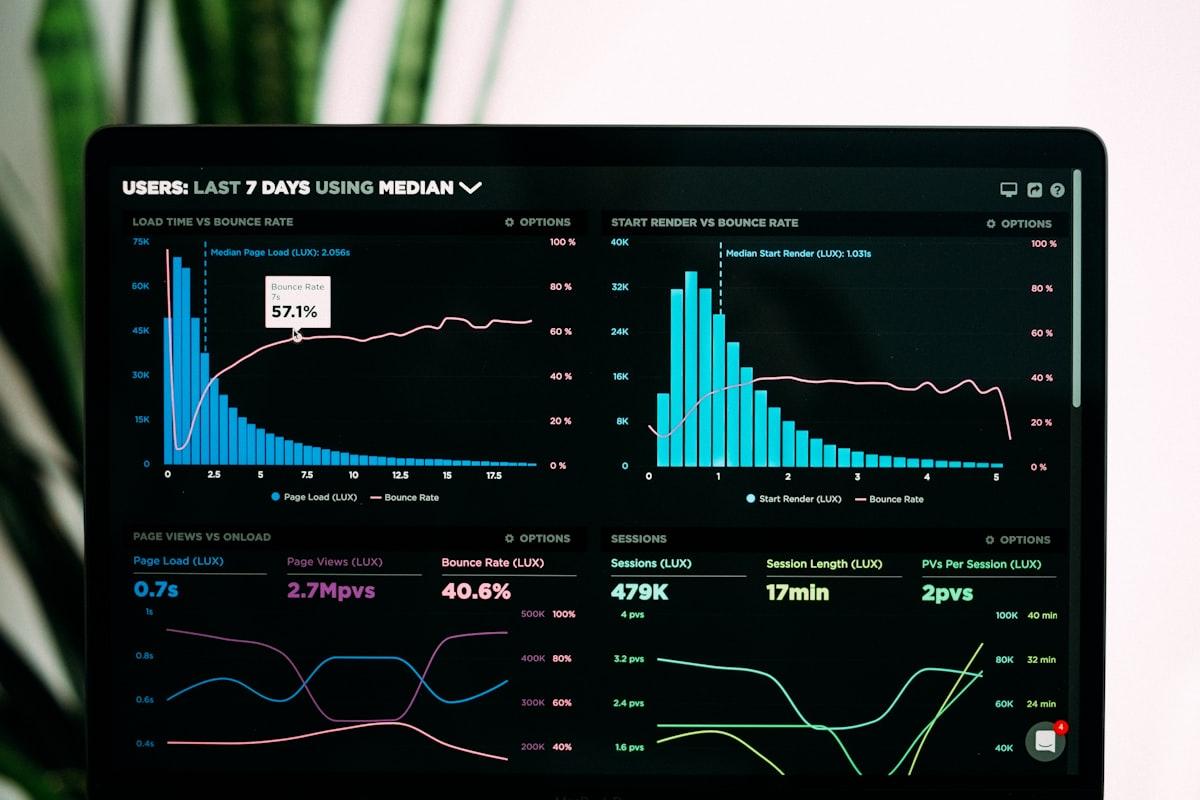
Workflow dashboards should serve specific audiences with relevant metrics. Executive dashboards summarize overall automation impact and ROI. Operations dashboards provide real-time status and alerting for active monitoring. Process owner dashboards enable drill-down into specific workflows for optimization planning.
Update frequency should match audience needs—real-time for operations, daily or weekly summaries for management. Avoid overwhelming users with more data than they can meaningfully consume.
Advanced Analytics Techniques
Beyond basic metrics, advanced analytics enable deeper insights. Process mining reconstructs actual process flows from event data. Predictive models forecast workload and identify potential bottlenecks before they impact performance. Anomaly detection surfaces unusual patterns requiring investigation.