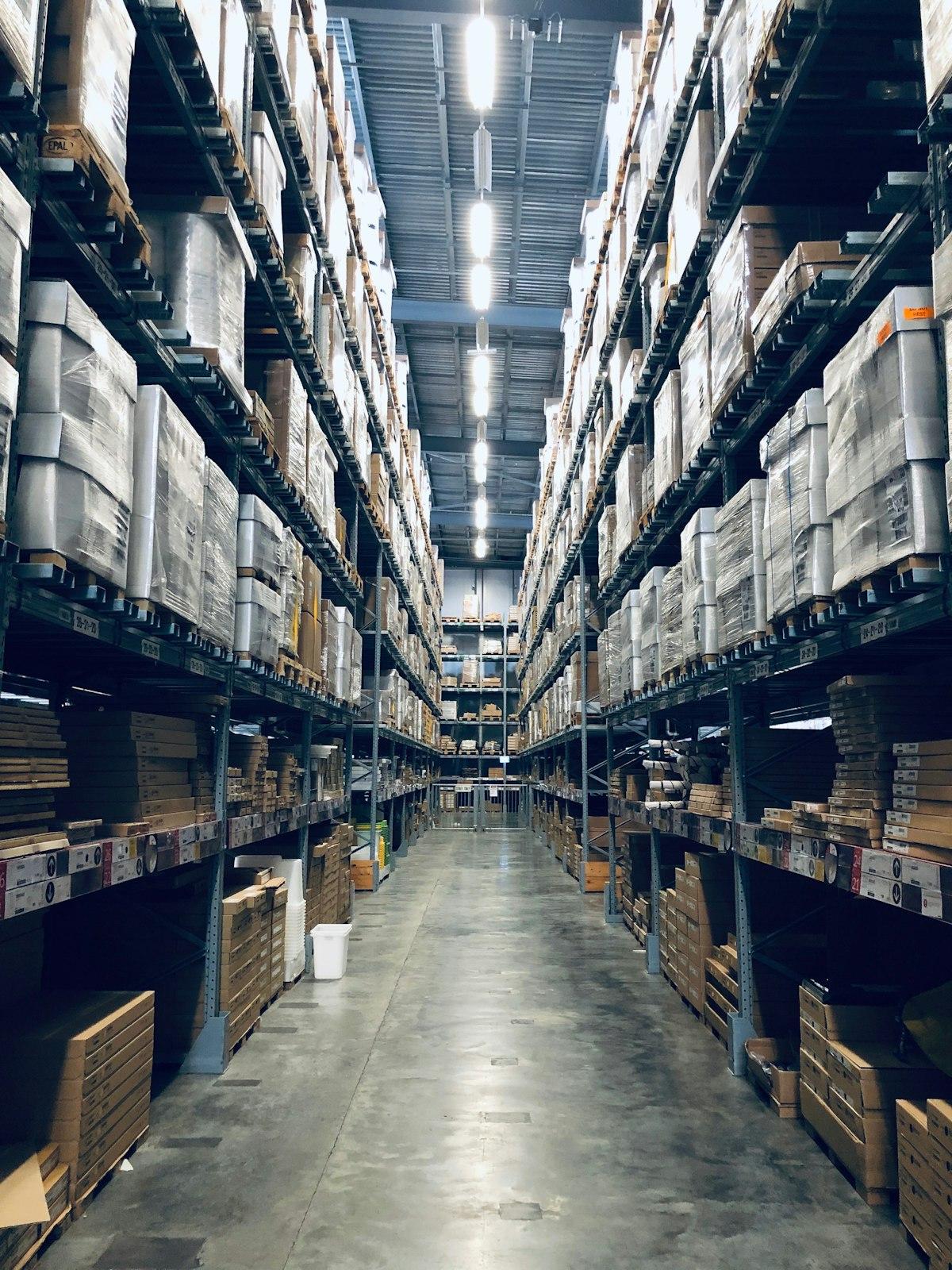
The Warehouse Transformation
Warehouses face relentless pressure to increase throughput while reducing errors and labor costs. E-commerce growth has accelerated order profiles toward smaller, more frequent picks that strain traditional warehouse approaches. Modern warehouse automation addresses these challenges through integrated technological systems.
Understanding Warehouse Automation Layers
Warehouse automation spans multiple technologies: storage systems, movement systems, identification systems, and management systems. Effective automation integrates these layers into coherent operations that exceed what any single technology could achieve.
Automated Storage and Retrieval
AS/RS Systems
Automated Storage and Retrieval Systems (AS/RS) use cranes and conveyors to store and retrieve products with minimal human involvement. These systems achieve storage density impossible with traditional shelving while enabling rapid retrieval.
Goods-to-Person Robotics
Robotic systems bring inventory to workers rather than requiring workers to travel to inventory. This approach reduces walk time dramatically while enabling 24/7 operations in compact footprints.
Vertical Lift Modules
Vertical lift modules automate storage in vertically-oriented carousels. These systems provide high-density storage with ergonomic picking stations that improve worker productivity and safety.
Inventory Tracking Intelligence
RFID and IoT Tracking
RFID systems track inventory location and movement throughout facilities. IoT sensors monitor environmental conditions, equipment status, and inventory characteristics. This visibility enables real-time inventory management.
Digital Twin Simulation
AI-powered digital twins create virtual replicas of warehouse operations. These simulations enable optimization experiments, capacity planning, and disruption scenario analysis without disrupting actual operations.
Cyclical Counting Automation
Rather than periodic physical inventories, automated cyclical counting continuously validates inventory accuracy. The system prioritizes counting based on ABC classification and movement patterns, ensuring accurate records.
Pick and Pack Optimization
Wave Planning Optimization
AI systems optimize wave assignments—the grouping of orders into picking waves—for maximum efficiency. The system considers order characteristics, warehouse layout, and picker availability when constructing waves.
Batch Picking Enhancement
For operations using batch picking, AI systems optimize batch composition to minimize travel time and maximize pick density. This optimization significantly improves picker productivity.
Pack Configuration Automation
Automated pack stations select appropriate packaging based on order characteristics, reducing material waste while ensuring adequate product protection.
Results at E-commerce Fulfillment Center
An e-commerce fulfillment center implemented comprehensive warehouse automation in mid-2025. Order processing capacity increased 180%. Inventory accuracy improved from 97.3% to 99.7%. Labor productivity improved 140%. The company handled 3x previous volume with the same floor space.