Operations in the Modern Supply Chain
Global supply chains have never been more complex—or more critical. Disruptions demand rapid response. Customer expectations demand speed. Competition demands efficiency. Operations automation provides the foundation for meeting these demands while continuously improving performance.
The Automation Imperative
Manual operations processes cannot match the speed and consistency that modern competition requires. Human processing introduces delays and errors. Communication gaps cause misalignment. Reactive problem-solving leads to firefighting rather than prevention.
Operations leaders report 50% improvement in on-time delivery after implementing comprehensive automation, along with significant reductions in inventory holding costs and operational errors.
Procurement Automation
Procurement automation spans the entire process from requisition through payment. Employees submit requests through intuitive interfaces. Approval workflows route based on spending thresholds and category. Purchase orders generate automatically for approved requests.
Supplier portals enable vendors to view order status, confirm availability, and submit invoices. Automated communication keeps all parties informed throughout the process. Three-way matching verifies invoices against orders and receipts before payment.
Inventory and Warehouse Automation
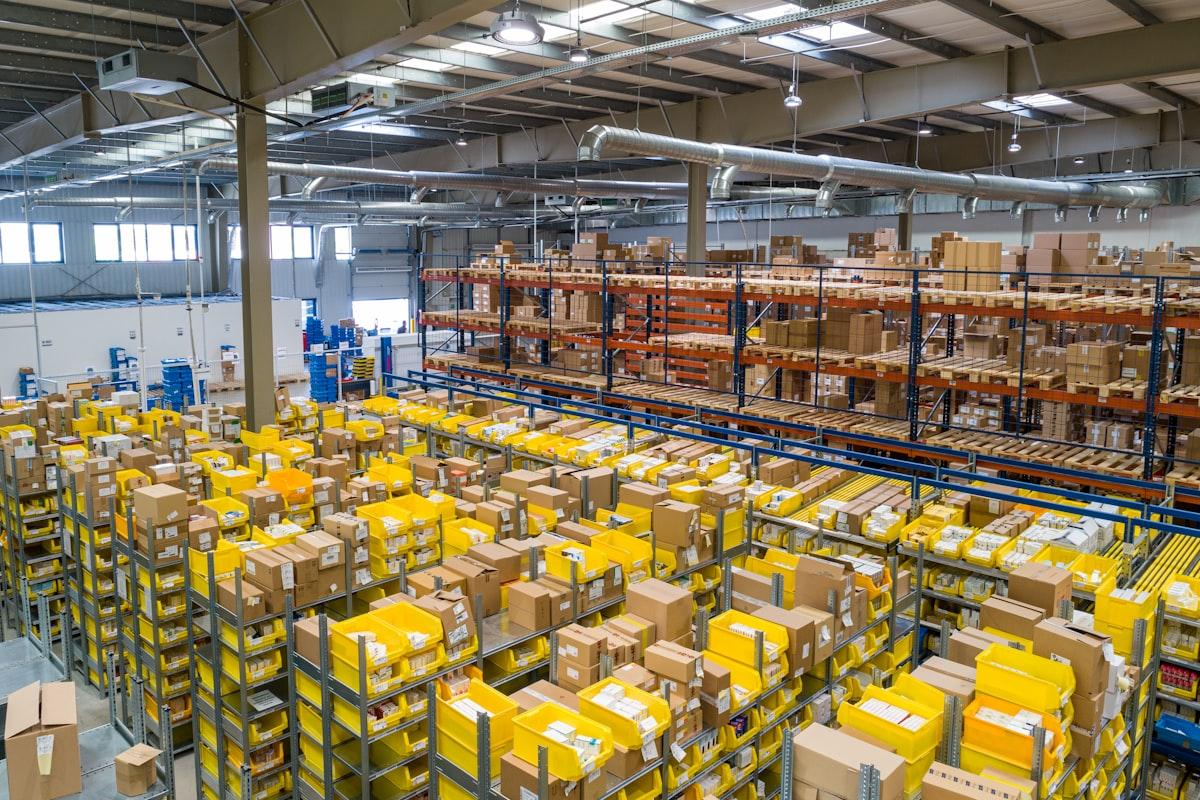
Modern warehouse operations integrate multiple automation technologies. Automated ordering triggers replenishment based on demand patterns and service level targets. Pick-to-light and voice picking systems guide warehouse workers for maximum efficiency.
Integration with transportation management systems optimizes shipping decisions. Automated carrier selection considers cost, transit time, and reliability. Track-and-trace provides visibility from warehouse to customer delivery.
Quality and Compliance Automation
Quality checks integrate into operational workflows automatically. Inspection results capture digitally, triggering escalations when specifications aren't met. Compliance documentation generates as a byproduct of operations rather than requiring separate effort.
Performance Monitoring and Continuous Improvement
Operations dashboards provide real-time visibility into key metrics: order fulfillment rates, inventory accuracy, supplier performance, and quality indicators. Analytics identify trends and anomalies, enabling proactive management rather than reactive firefighting.