The Inventory Balancing Act
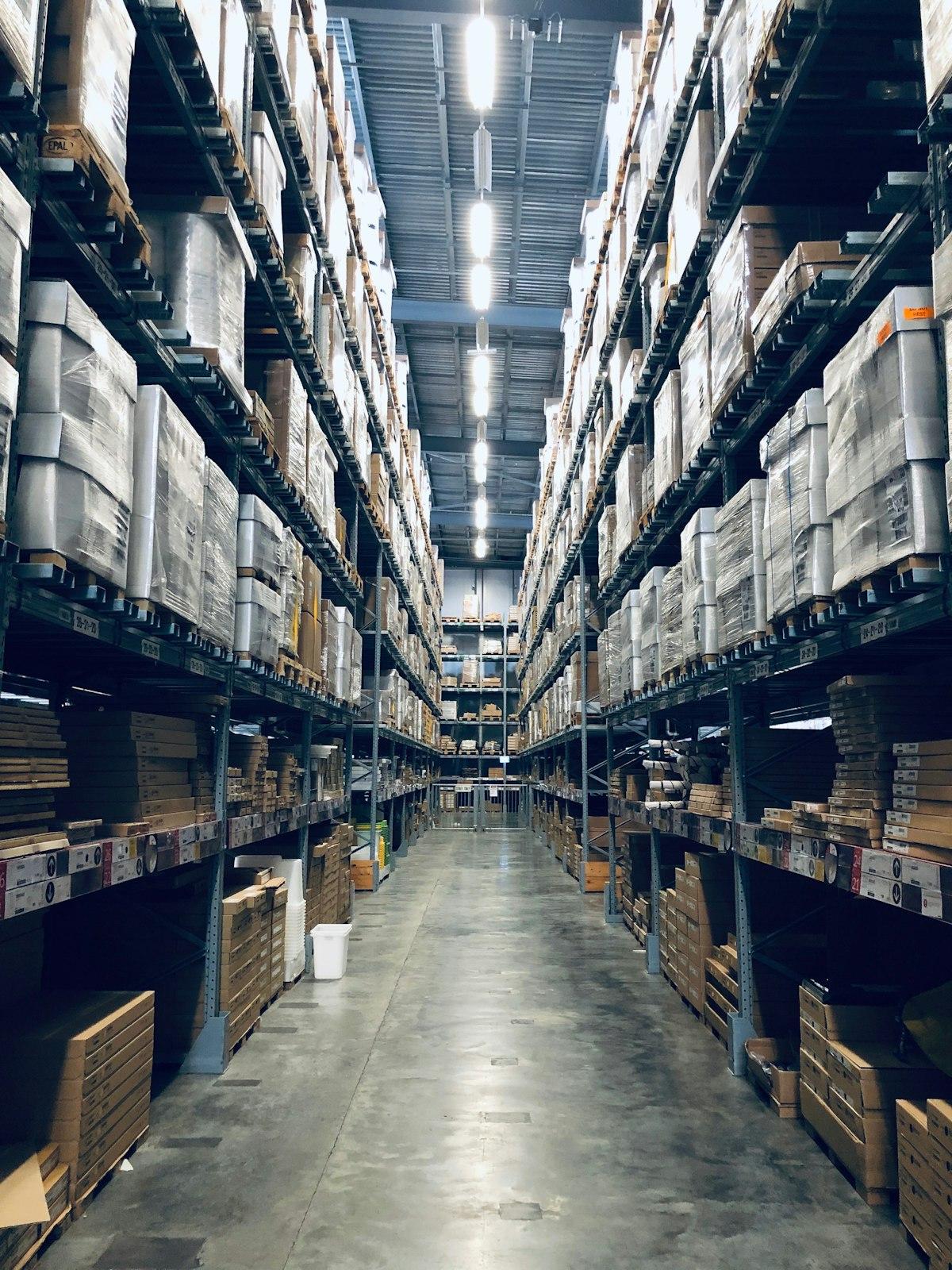
E-commerce inventory management presents a fundamental tension: stockouts lose immediate sales while overstock ties up capital and increases carrying costs. Manual inventory management inevitably errs on one side or the other. AI-powered inventory automation finds the optimal balance point.
Understanding Inventory Costs
The costs of inventory imbalance extend beyond obvious stockout and carrying costs. Stockouts damage brand reputation and customer lifetime value. Overstock leads to clearance markdowns, storage costs, and product obsolescence. Effective inventory management minimizes both failure modes.
Demand Forecasting Intelligence
Multi-Factor Demand Prediction
AI forecasting considers historical sales, seasonal patterns, promotional calendars, economic indicators, and external factors like competitor activity and market trends. This comprehensive analysis produces demand forecasts far more accurate than simple historical averaging.
SKU-Level Optimization
Different products warrant different inventory strategies. Fast-moving SKUs require higher safety stock and more frequent replenishment. Slow movers benefit from just-in-time ordering. AI systems automatically classify SKUs and apply appropriate inventory policies.
Safety Stock Calculation
Safety stock protects against demand variability and supply delays. AI systems calculate optimal safety stock levels considering supplier reliability, demand volatility, and carrying costs. The result is minimum safety stock that still prevents most stockouts.
Replenishment Automation
Purchase Order Generation
When inventory reaches reorder points, automated systems generate purchase orders based on vendor contracts, lead times, and economic order quantities. The system balances order frequency against ordering costs to minimize total procurement expense.
Vendor Performance Tracking
Automated monitoring tracks vendor performance against lead time commitments and quality standards. Poor performing vendors trigger escalation workflows. Reliable vendors earn preferential treatment in allocation decisions.
Cross-Channel Inventory Optimization
Businesses selling across multiple channels—website, Amazon, eBay, retail locations—face inventory allocation challenges. AI systems optimize inventory distribution across channels based on channel margins, sales velocity, and strategic priorities.
Multi-Warehouse Coordination
For businesses with multiple fulfillment locations, AI coordinates inventory across all warehouses. The system determines optimal inventory distribution to minimize shipping costs and delivery times while preventing regional stockouts.
Seasonal and Promotional Planning
Promotional events require different inventory strategies than normal operations. AI systems forecast promotional lift, plan inventory builds accordingly, and coordinate liquidation of seasonal inventory after peak periods.
Obsolescence Prevention
Product lifecycles create obsolescence risk. Automated monitoring identifies slow-moving inventory before it becomes dead stock. Early alerts enable promotional interventions or liquidation before inventory value decays to zero.
Results at Home Essentials Direct
Home Essentials Direct implemented inventory automation across their 3PL network in 2025. Stockout rate decreased from 8.3% to 2.1%. Inventory carrying costs decreased 28% while sales increased 15%. The company recovered $1.2 million in working capital previously tied up in excess inventory.