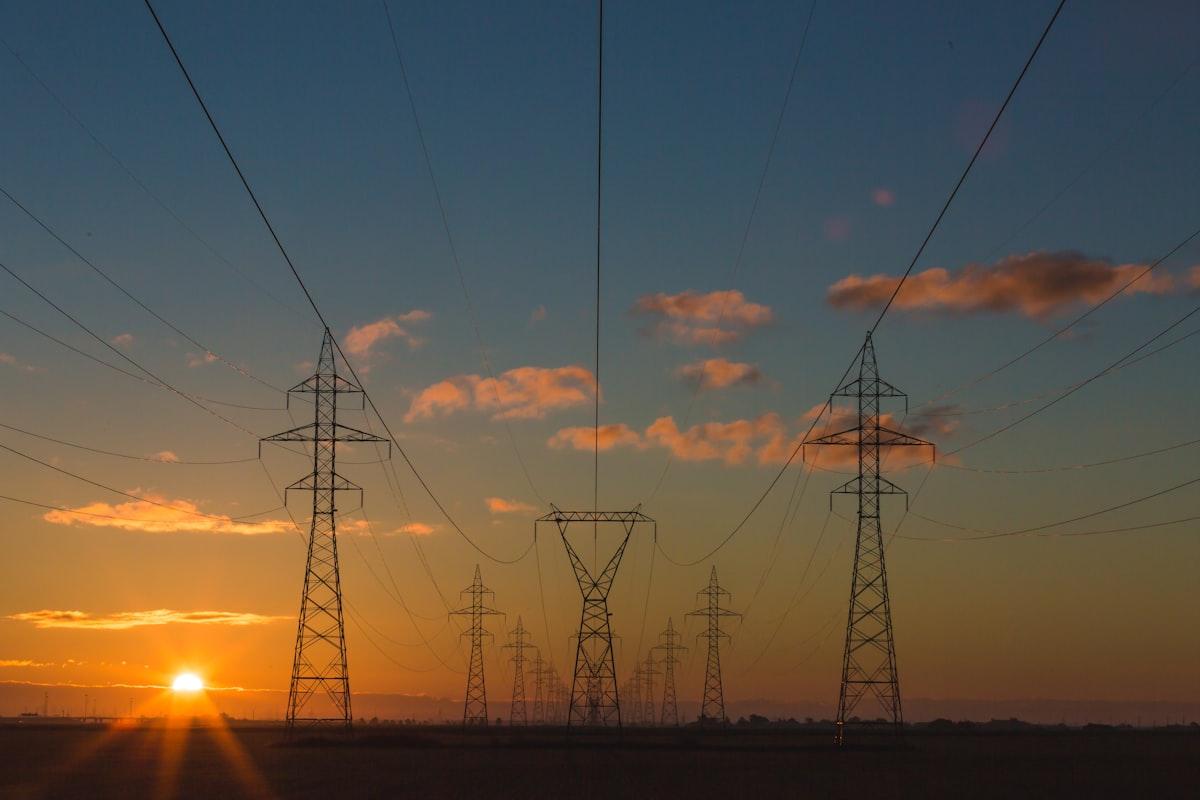
The Energy Sector's AI Transformation
Energy systems face unprecedented challenges in balancing supply and demand across increasingly complex grids that must integrate variable renewable sources, manage distributed generation, and maintain reliability while transitioning toward sustainable operations. Agentic AI provides the intelligence necessary to optimize these complex systems in real-time, making decisions that balance multiple objectives across thousands of interconnected nodes.
Modern energy grids generate enormous data streams from sensors, meters, and connected devices. AI agents process this data continuously, identifying optimization opportunities, predicting equipment failures, and coordinating responses to grid disturbances faster than human operators could achieve.
Grid Optimization Agents
Specialized agents address different aspects of grid operations:
- Demand Response Agents: Agents coordinate demand response programs, interacting with smart devices and industrial loads to shift consumption patterns in ways that balance grid stability and minimize costs.
- Renewable Integration Agents: Agents manage the variability of renewable generation, coordinating storage resources, adjusting dispatch, and optimizing power flows to accommodate renewable generation patterns.
- Fault Detection and Restoration Agents: Agents identify grid faults from sensor data, coordinate isolation of problem areas, and orchestrate restoration procedures that minimize outage durations.
Predictive Maintenance and Asset Management
Energy infrastructure requires sophisticated maintenance strategies:
Equipment Health Monitoring
Agents continuously analyze equipment telemetry, identifying patterns predictive of failures and scheduling maintenance activities that prevent unexpected outages.
Lifecycle Optimization
Agents model equipment degradation patterns, optimizing replacement timing and maintenance investment to balance capital efficiency against reliability requirements.
Grid Planning Support
Agents assist with long-term grid planning, modeling growth scenarios, evaluating infrastructure investments, and identifying system vulnerabilities requiring attention.
The continued advancement of energy AI promises more reliable, sustainable, and efficient energy systems, supporting the transition to carbon-neutral energy while maintaining the grid reliability that modern society requires.